


Ever come across the word FUPA in a meme, social media comment, text message, or casual conversation and wondered what it actually means? It is one of those slang terms that can be confusing because it refers to a specific area of the body while also carrying a humorous, informal, and sometimes sensitive tone.
FUPA usually means Fat Upper Pubic Area, a slang expression used for fullness or fatty tissue around the lower abdomen and upper pubic region. It is not a formal medical diagnosis. Depending on the speaker and context, the word can be used jokingly, casually, self-referentially, or in a way that feels insulting or body-shaming.
This guide explains the FUPA meaning, what FUPA stands for, where the term comes from, how people use it, what body area it describes, how it differs from medical terms such as mons pubis and pannus, and when a lower abdominal bulge may deserve medical attention.
Meaning & Definition
FUPA is a slang acronym most commonly expanded as Fat Upper Pubic Area. It generally refers to visible fullness, fatty tissue, or a soft bulge in the lower abdominal area above the pubic region. Dictionaries classify the term as slang rather than formal anatomical terminology.
In everyday language, someone might use FUPA to describe the lower belly area that appears more prominent because of body-fat distribution, loose skin, weight changes, pregnancy, aging, or individual body shape. However, the word itself does not tell you exactly what the tissue consists of. A visible lower-abdominal fold could involve fat, skin, normal anatomy, or other factors. That distinction is important because FUPA is a casual label, not a medical diagnosis.
What Does FUPA Stand For?
The most widely recognized expansion of FUPA is Fat Upper Pubic Area. Some sources also use variations such as Fat Upper Pelvic Area or Fatty Upper Pubic Area, but the exact wording can vary because FUPA originated as informal slang rather than standardized medical terminology.
The phrase essentially combines four words into an acronym: Fat, Upper, Pubic, and Area. The term became recognizable in informal internet and conversational language because it offered a short way to refer to lower abdominal or upper pubic fullness. Because the expression contains the word “fat,” however, it can sound judgmental when someone uses it to describe another person’s body.
Background and Origin of the Term FUPA
FUPA is a relatively modern slang expression rather than an ancient anatomical word. Its exact origin is not firmly established in authoritative linguistic sources, so claims about one specific person, website, or cultural movement inventing the term should be treated cautiously. What is clear is that the acronym developed as informal body-related slang and became increasingly recognizable through internet culture and casual conversation.
Over time, FUPA moved beyond private slang and appeared in discussions about body image, clothing, fitness, pregnancy, weight changes, memes, and social media. That evolution helps explain why the term can have different tones. Someone may use it humorously when talking about their own body, while another person may hear exactly the same word as an insult.
Usage in Different Contexts
The meaning of FUPA generally stays connected to the lower abdominal or upper pubic region, but its social meaning changes according to context. In a fitness discussion, someone may use the word while talking about lower-belly fat. In a clothing conversation, they might mention it because certain jeans or swimwear emphasize the lower abdomen. In a meme, it may simply be used as a joke.
Context matters especially when FUPA is directed at another person. Self-referential use can be lighthearted because the speaker is choosing the label for their own body. Calling another person’s body a FUPA without invitation can sound rude, embarrassing, or body-shaming. If the goal is to communicate respectfully, neutral phrases such as lower belly, lower abdomen, or lower abdominal area are usually better choices.
What Part of the Body Is a FUPA?
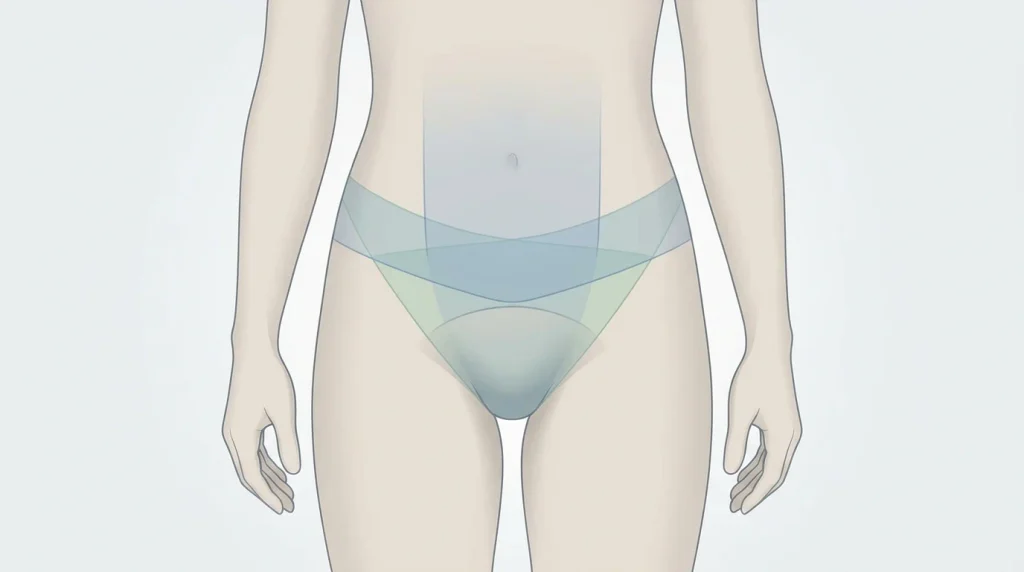
When people say FUPA, they generally mean the lower abdominal area just above the pubic region. The exact area people have in mind can vary because FUPA is slang rather than a precise anatomical term.
One related anatomical structure is the mons pubis, the fleshy mound located above the external genital area. Cleveland Clinic describes the mons as a natural part of external anatomy. This is why it is important not to treat FUPA and mons pubis as exact synonyms. A person may use FUPA broadly for fullness around the lower abdomen and pubic area, whereas a healthcare professional may describe the specific anatomical structures involved.
Is FUPA a Medical Term?
No. FUPA is not a formal medical diagnosis or standardized anatomical term. It is informal slang used to describe an appearance or area of the body. Medical professionals are more likely to describe the actual anatomy or tissue involved rather than simply label it FUPA.
Depending on the situation, professional terminology might include words such as lower abdominal fat, subcutaneous fat, pannus or panniculus, or mons pubis. These terms are not interchangeable in every situation. For example, a pannus can refer to an apron-like fold of excess skin and fatty tissue, while the mons pubis is a normal anatomical region. Using precise terminology helps distinguish normal body variation from a condition that may require assessment.
FUPA vs. Mons Pubis
FUPA and mons pubis are related but they do not mean exactly the same thing. The mons pubis is a normal anatomical structure: the fleshy area above the external genital region. Everyone has some form of this structure, although its size and shape naturally vary from person to person.
FUPA, by contrast, is slang. People may use it to describe additional fullness around the lower abdomen or upper pubic region. That fullness can overlap visually with the mons pubis, but the terms describe different concepts. A useful way to remember the distinction is: mons pubis is anatomy; FUPA is informal slang about body fullness or appearance.
Also Read: IGS Meaning in Text
FUPA vs. Pannus or Panniculus
Another term that sometimes appears alongside FUPA is pannus or panniculus. These terms are used in medical contexts to describe an apron-like fold of tissue involving skin and subcutaneous fat, particularly in the lower abdomen. Medical sources discussing FUPA sometimes use panniculus when explaining the anatomy or excess tissue involved.
The difference is important because not every FUPA-like appearance is a pannus. A small amount of lower-belly fullness may simply reflect ordinary fat distribution or normal anatomy. A larger hanging fold involving substantial excess skin and tissue is a different physical situation. Therefore, FUPA is a slang description, while pannus or panniculus can be more specific clinical terminology.
What Causes the Appearance People Call a FUPA?
There is no single cause. Body-fat distribution is influenced by factors such as genetics, overall weight, age, hormonal changes, pregnancy, and changes in body composition. Some people naturally store more fat around their lower abdomen or pubic region than others, even when their overall body size is similar.
Pregnancy and substantial weight changes can also alter the appearance of the lower abdomen. Skin may stretch and later remain looser, while fat distribution can change over time. Cleveland Clinic notes that extra skin and fatty tissue around the mons pubis can develop with factors including age, pregnancy, and significant weight loss. This is one reason it is misleading to assume that everyone who has lower abdominal fullness has the same underlying cause.
Can Men Have a FUPA?
Yes. FUPA is not limited to women. Although online conversations may sometimes associate the term primarily with women’s bodies, men can also have lower abdominal or upper pubic fullness.
Body-fat distribution varies considerably among individuals. A man may develop more visible tissue around the lower abdomen or pubic region because of overall weight gain, genetics, aging, or natural body composition. The word FUPA is simply slang, so it does not describe a condition exclusive to one sex or gender. If someone prefers neutral terminology, phrases such as lower abdominal fat or lower belly are clearer and less loaded.
Can Women Have a FUPA?
Yes. Women can naturally have varying amounts of tissue around the lower abdomen and mons pubis. The appearance may change throughout life because of body-fat distribution, pregnancy, aging, weight fluctuations, and changes in skin elasticity.
It is also important to remember that photographs and social media can create unrealistic expectations about what the lower abdomen should look like. Bodies do not all store fat in the same locations, and a completely flat lower abdomen is not a universal standard of health or attractiveness. A person can have lower-belly fullness without that appearance automatically indicating a medical problem.
FUPA After Pregnancy
Pregnancy can change the shape and appearance of the abdomen in several ways. The abdominal wall stretches during pregnancy, body weight changes, and the skin may become less elastic. Some people therefore notice more lower-abdominal fullness or loose tissue after giving birth.
That does not mean every postpartum lower-belly bulge is simply “fat.” Changes in abdominal muscles, skin, connective tissue, and body composition can all contribute to appearance. ACOG recommends gradually returning to physical activity after pregnancy when medically safe, taking the delivery method and any complications into account. If a postpartum concern is painful, unusual, or persistent enough to cause worry, discussing it with a healthcare professional is more useful than relying on slang labels.
Read More: Sapiosexual Meaning: What It Means, Signs, Dating & More
Is FUPA the Same as Lower Belly Fat?
Not necessarily. Lower belly fat is a more descriptive phrase for fat stored around the lower abdomen, whereas FUPA is informal slang that can be used more broadly for visible fullness in the upper pubic/lower abdominal region.
A person’s lower-abdominal appearance may involve several things at once, including subcutaneous fat, loose skin, normal anatomy, muscle changes, or other tissue. This is why searching for “FUPA” does not automatically tell you what is physically responsible for a particular bulge. Healthline and Medical News Today both emphasize that FUPA is a slang description rather than a precise medical diagnosis.

What Does FUPA Mean in Texting?
In texting, FUPA usually has the same basic meaning: slang for fullness or fat around the lower abdominal and upper pubic area. The abbreviation can appear in jokes, conversations about appearance, fitness discussions, or comments about clothing.
For example, someone might jokingly say, “These jeans are showing my FUPA.” In that sentence, the speaker is referring to their own lower abdominal area. However, the same word can feel very different when directed toward another person. Because FUPA can be sensitive or insulting, context and relationship matter more than the literal definition.
What Does FUPA Mean on Social Media?
On social media, FUPA may appear in memes, fitness posts, body-image discussions, fashion conversations, and humorous comments. The meaning usually remains connected to lower abdominal or upper pubic fullness, but the tone can range from self-deprecating humor to body positivity to outright body shaming.
This is one reason a search for “FUPA meaning on TikTok” or “FUPA meaning on social media” should not be answered with a definition alone. Understanding the speaker’s intention matters. If someone is talking about their own body, the term may be playful or empowering. If someone uses it to mock a stranger’s appearance, it can be disrespectful.
Alo Read: LMFAO Meaning in Text
Is FUPA an Offensive Word?
FUPA is not automatically offensive, but it can be. Its tone depends heavily on who says it, who it describes, and the circumstances.
Using the term about yourself can be a form of humor or casual self-description. Using it about another person’s body without permission may be perceived as insulting or body-shaming. The word also contains a reference to body fat, which can make it particularly sensitive. If you are unsure how someone feels about the term, neutral wording such as lower abdomen, lower belly, or lower abdominal area is safer and more respectful.
How to Use FUPA in a Sentence
FUPA is generally used as a noun in informal conversation. Examples include:
- “I noticed more fullness around my lower belly.”
- “These pants make my FUPA more noticeable.”
- “She was joking about her own FUPA.”
- “The post was discussing FUPA and body positivity.”
- “He searched for the meaning of FUPA after seeing it in a meme.”
The most important point is that the word is informal. It would usually be inappropriate in a medical report, professional health communication, or formal writing. In those contexts, more precise language such as lower abdominal fat, excess skin, pannus, or mons pubis is preferable depending on what is actually being described.
Why Body Shape Matters More Than a Slang Label
Two people can have similar body weights but very different body shapes. Genetics, age, hormones, muscle mass, and individual fat distribution all influence where the body stores tissue. Consequently, having visible lower-abdominal fullness does not automatically indicate poor health.
This is also why a single appearance-based term cannot explain someone’s health. A person may use FUPA as a joke about their body while being perfectly healthy. Conversely, a new or unusual bulge should not automatically be dismissed as “just a FUPA.” Looking at the whole context is much more useful than assigning a slang label.
When a Lower-Abdominal Bulge May Need Medical Attention
Most uses of FUPA are simply about appearance or slang, but a new, painful, hard, rapidly changing, or unusual bulge should not automatically be assumed to be body fat.
For example, hernias can cause visible bulges in the abdominal or groin region. Mayo Clinic notes that inguinal hernias can produce a bulge near the pubic bone that becomes more noticeable while standing, coughing, straining, or lifting. Pain, pressure, or a rapidly worsening bulge deserves medical evaluation.
Seek prompt medical care if a bulge becomes suddenly painful, hard, discolored, rapidly enlarges, or is accompanied by symptoms such as vomiting or significant abdominal discomfort. The important lesson is simple: FUPA is a slang label, not a diagnosis.
Read More: Yeoh Meaning: Origin, Surname, Pronunciation and Uses
FUPA and Body Positivity
The word FUPA exists within a broader conversation about body image and acceptance. Some people use the term humorously to acknowledge a body feature they once felt embarrassed about. Others prefer not to use it because the word focuses on fat and can reinforce negative ideas about body size.
There is no requirement to use the term positively or negatively. People can choose the language that makes them comfortable. If you are writing about bodies for a broad audience, neutral language is often the most inclusive approach. Describing the lower abdomen, lower belly, or pubic region allows you to explain the topic without attaching judgment to someone’s appearance.
Can FUPA Be Reduced With Exercise?
This question often appears alongside searches for FUPA meaning, although it is a separate health topic. It is important to distinguish understanding the term from trying to change the body area it describes.
There is no exercise that can selectively remove fat from one exact location. Healthline explains that spot reduction is not possible, although overall fat loss combined with exercise can change body composition over time. Exercise can also strengthen abdominal and other muscles, which may affect how the body looks and functions. Anyone considering major dietary changes or an intensive exercise program should choose an approach appropriate for their individual health circumstances.
Medical and Cosmetic Options
When significant excess skin or fatty tissue remains after major weight loss, pregnancy, or other body changes, some people explore professional cosmetic options. Depending on the anatomy involved, treatments can include procedures such as liposuction, abdominoplasty, or monsplasty.
These procedures are not interchangeable. Cleveland Clinic explains that monsplasty can remove excess skin and fatty tissue from the mons pubis, while a tummy tuck addresses abdominal skin and tissue and may involve tightening the abdominal wall. Cosmetic procedures also involve risks, costs, recovery periods, and suitability considerations, so they should be discussed with a qualified medical professional rather than treated as a quick solution.
Better, More Neutral Alternatives to FUPA
If you want to describe the same general area without slang, several alternatives may be more appropriate:
- lower belly
- lower abdomen
- lower abdominal area
- upper pubic area
- pubic region
- lower abdominal fullness
- excess lower-abdominal tissue
- abdominal fat
- mons pubis, when referring specifically to that anatomical structure
- pannus or panniculus, when medically appropriate
Choosing the right term depends on what you actually mean. For example, “lower belly” is a broad everyday description, while “mons pubis” refers to a specific anatomical region. Using precise language can prevent confusion and reduce the risk of unintentionally shaming someone.
If you want to understand any meaning, definition, or explanation, you can explore Meaning Wisdom for clear and simple explanations.
Also Read: BC Meaning in Text
FUPA Meaning in Simple Words
In simple terms, FUPA is slang for fullness or fat around the lower abdomen and upper pubic area. The acronym is most commonly explained as Fat Upper Pubic Area.
It is not a medical diagnosis, and the appearance it describes can vary from person to person. Genetics, body-fat distribution, pregnancy, aging, weight changes, and loose skin can all affect the lower abdominal area. The word can also have different social meanings, so it is best used carefully when talking about another person’s body.
Read More: NPC Meaning: What Does NPC Mean in Gaming, Slang, Text & TikTok?
Key Takeaway
The most important thing to remember about FUPA meaning is that it is an informal slang expression rather than a clinical term. It usually describes visible fullness or fatty tissue around the lower abdomen and upper pubic region.
The term can be humorous or self-referential, but it may also be offensive when used to criticize someone else’s body. For medical or professional communication, more precise terms such as lower abdominal fat, mons pubis, pannus, or panniculus may be more appropriate depending on the situation.
Frequently Asked Questions About FUPA
What does FUPA mean?
FUPA is slang that most commonly stands for Fat Upper Pubic Area. It generally describes fullness or fatty tissue around the lower abdomen and upper pubic region. Dictionaries classify FUPA as slang rather than a formal medical term.
What does FUPA stand for?
FUPA most commonly stands for Fat Upper Pubic Area. Some informal sources use slightly different expansions, but the general meaning remains the same: slang describing fullness around the lower abdominal and upper pubic region.
Is FUPA a medical term?
No. FUPA is an informal slang term, not a medical diagnosis. Healthcare professionals may instead use anatomical or clinical terms such as lower abdominal fat, mons pubis, pannus, or panniculus depending on the situation.
Where is the FUPA located?
People generally use FUPA to describe the area of fullness around the lower abdomen above the pubic region. Because FUPA is slang, it does not identify one precisely defined anatomical structure.
What is the medical term for FUPA?
There is no single medical term that exactly equals FUPA. Depending on what is being described, terms may include lower abdominal fat, subcutaneous fat, pannus, panniculus, or mons pubis. These terms have different meanings and should not be treated as exact synonyms.
Is FUPA the same as the mons pubis?
No. The mons pubis is a normal anatomical structure located above the external genital region. FUPA is slang used to describe fullness or fat around the lower abdominal and upper pubic area. There can be visual overlap, but the terms are not identical.
Is FUPA the same as a pannus?
Not necessarily. A pannus or panniculus generally refers to an apron-like fold of abdominal skin and fatty tissue. FUPA is much broader slang and can refer to relatively small amounts of lower abdominal fullness.
Can men have a FUPA?
Yes. Men can have lower abdominal or upper pubic fullness, and the slang term can be applied to them. Body-fat distribution varies from person to person regardless of sex.
Can women have a FUPA?
Yes. Women can naturally have different amounts of tissue around the lower abdomen and mons pubis. Pregnancy, weight changes, aging, genetics, and individual body composition can influence appearance.
What does FUPA mean in texting?
In texting, FUPA generally has the same slang meaning: fullness or fat around the lower abdominal and upper pubic area. It may appear in jokes, casual conversations, fitness discussions, or comments about clothing.
What does FUPA mean on social media?
On social media, FUPA is commonly used in discussions involving body image, fitness, clothing, memes, and humor. Depending on context, it can be self-deprecating, playful, body-positive, or insulting.
Is FUPA an offensive word?
It can be. Using FUPA to describe your own body may simply be humorous or casual, but using it to label someone else’s body can be perceived as rude or body-shaming. Neutral terms are better when discussing another person’s appearance.
Why do people use the term FUPA?
People use FUPA because it is a short slang expression for a particular area of lower abdominal or upper pubic fullness. Its use has spread through casual conversation, internet culture, memes, fitness discussions, and body-image conversations.
Can pregnancy cause a FUPA?
Pregnancy can contribute to changes in the lower abdomen through changes in body weight, skin elasticity, abdominal tissues, and body composition. However, not every postpartum lower-belly change should be labeled FUPA.
Is every lower-belly bulge a FUPA?
No. A lower-belly bulge can have many possible explanations, including ordinary fat distribution, loose skin, normal anatomy, or other physical conditions. A new, painful, hard, or rapidly changing bulge should be evaluated rather than automatically assumed to be body fat.
How do you use FUPA in a sentence?
An informal example is: “I was looking for the meaning of FUPA after seeing it in a social media comment.” Another example is: “She was joking about her own FUPA.” The word is generally best kept to informal contexts.
Is FUPA a bad word?
FUPA is slang rather than a formal swear word, but it can be considered crude, embarrassing, or offensive depending on how it is used. The safest approach is to consider the audience and context before using it.
What are polite alternatives to FUPA?
Depending on the context, alternatives include lower belly, lower abdomen, lower abdominal area, upper pubic area, or pubic region. For medical communication, the appropriate anatomical term should be used instead.
What is the main meaning of FUPA?
The simplest answer is: FUPA is slang for fullness or fat around the lower abdominal and upper pubic area, most commonly expanded as Fat Upper Pubic Area. It is an informal term, not a medical diagnosis.
Also read: NM Meaning in Text



Pingback: Aura Meaning: What Does Aura Mean in Slang, Text, and Everyday Life?